In stores and buildings
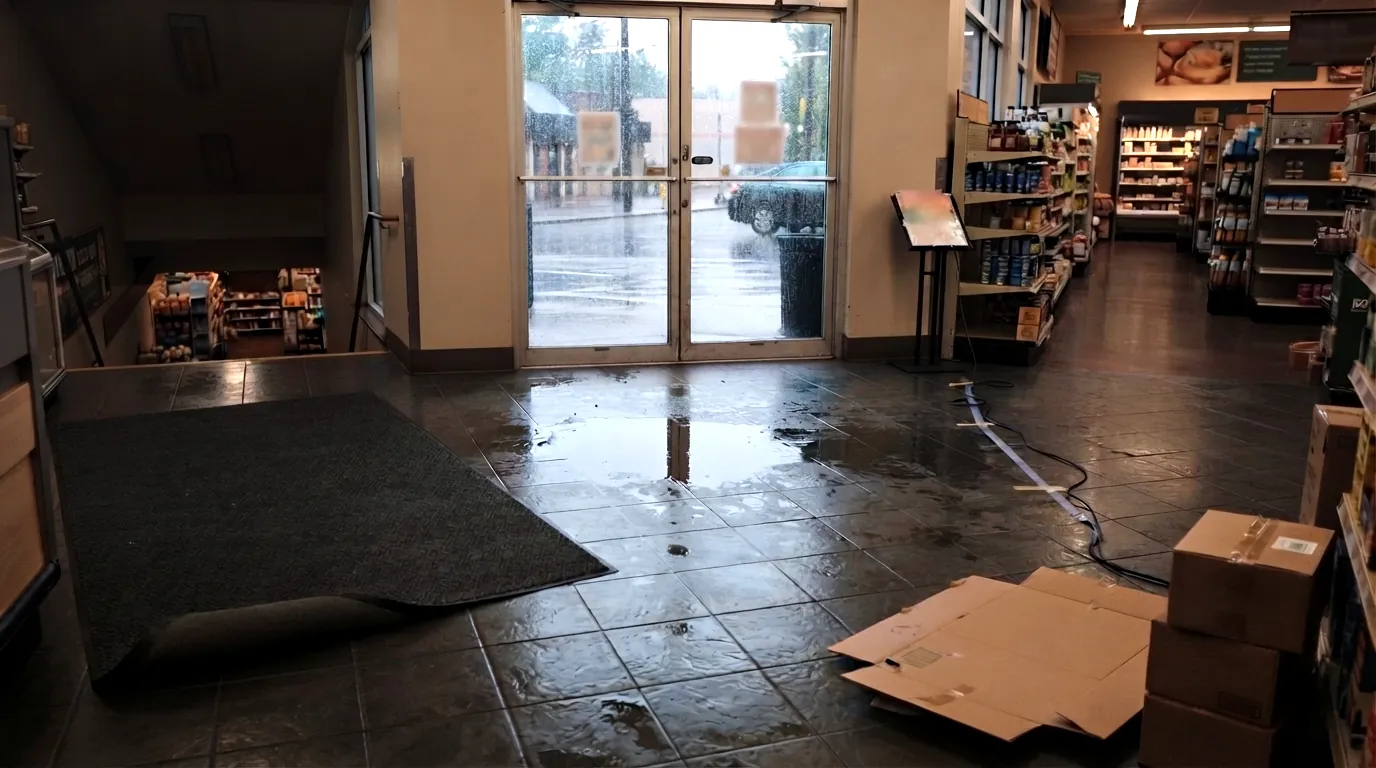
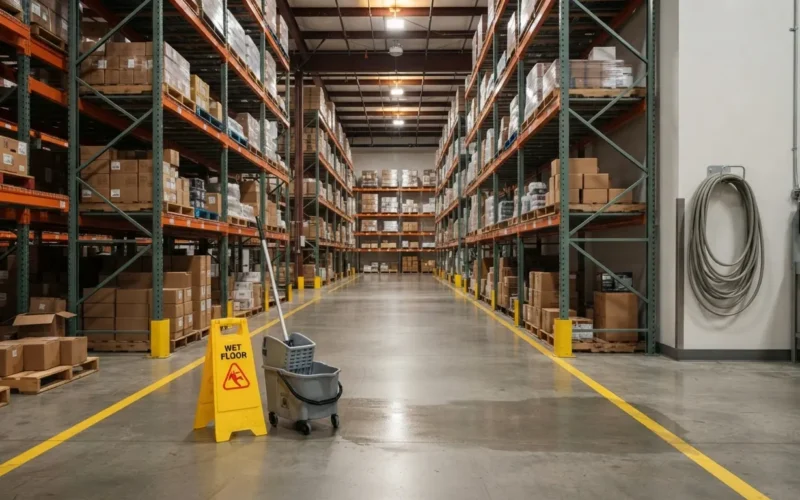
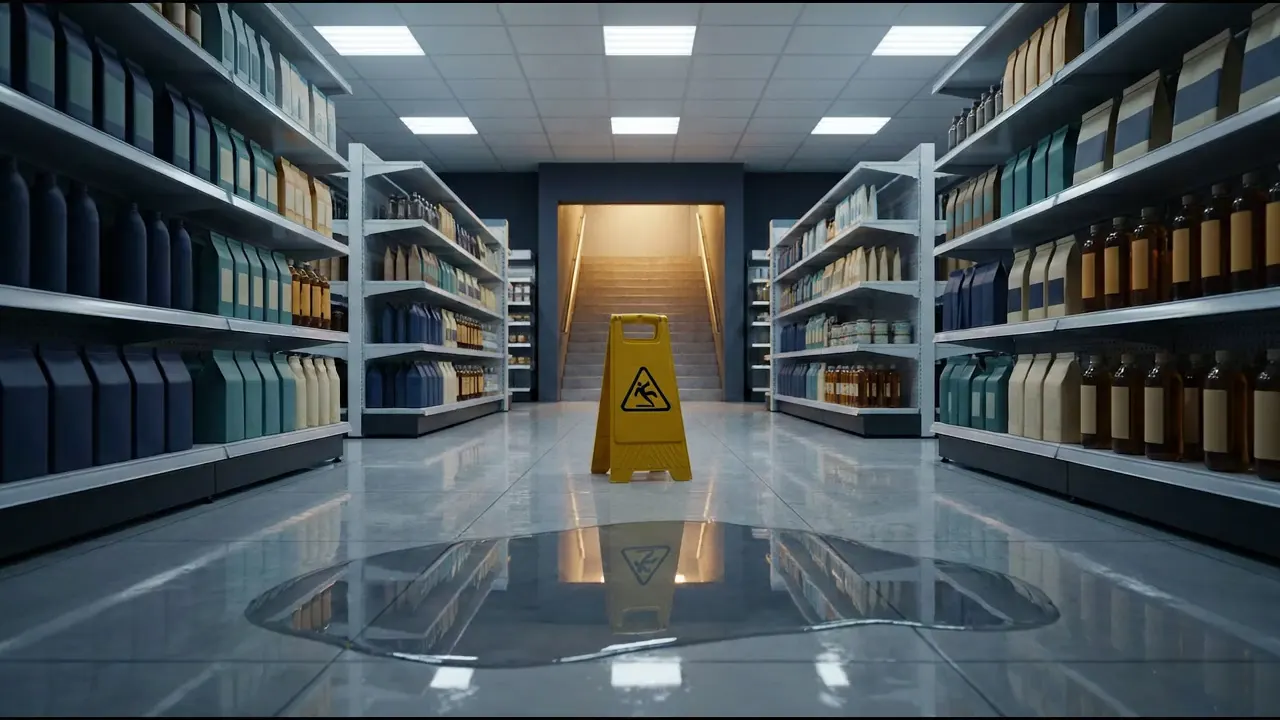
Wet floors.
Spills, mopping, and tracked-in rain can make smooth tile slick in seconds.
On steps and stairways
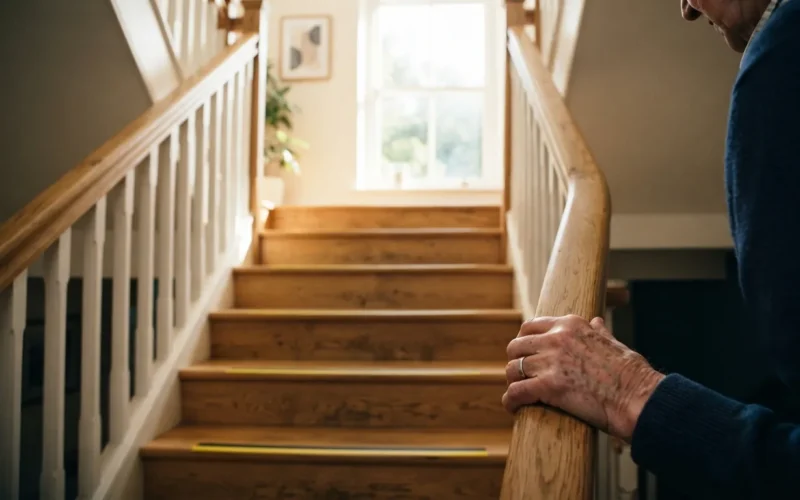
Worn stairs.
A rounded or worn step edge is easy to miss, especially on the way down.
On sidewalks and parking lots
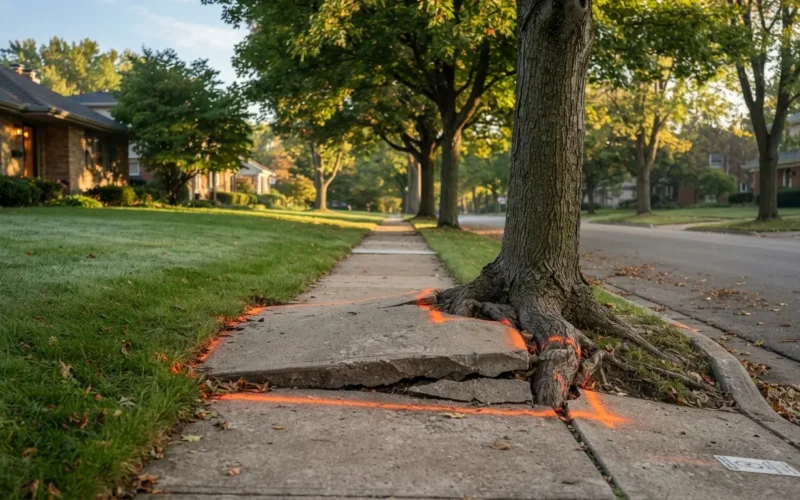
Uneven sidewalks.
A slab that sits a little higher than the next can catch a toe, especially at dusk.
Spot the hazard.
Prevent the fall.
Plain-language guides to slips, trips, and falls at home, at work, and in public places.
- Wet floors
- Stairs
- Sidewalks
- Overview
Find guides by hazard
Eight places where slips, trips, and falls happen most, and what makes each one risky.
Spot the hazard
This store entrance has five common fall hazards. Tap each marker to see what’s wrong and how to fix it.
Tap a marker on the photo to see the hazard.
Start with the basics
Two guides that most of the others build on.
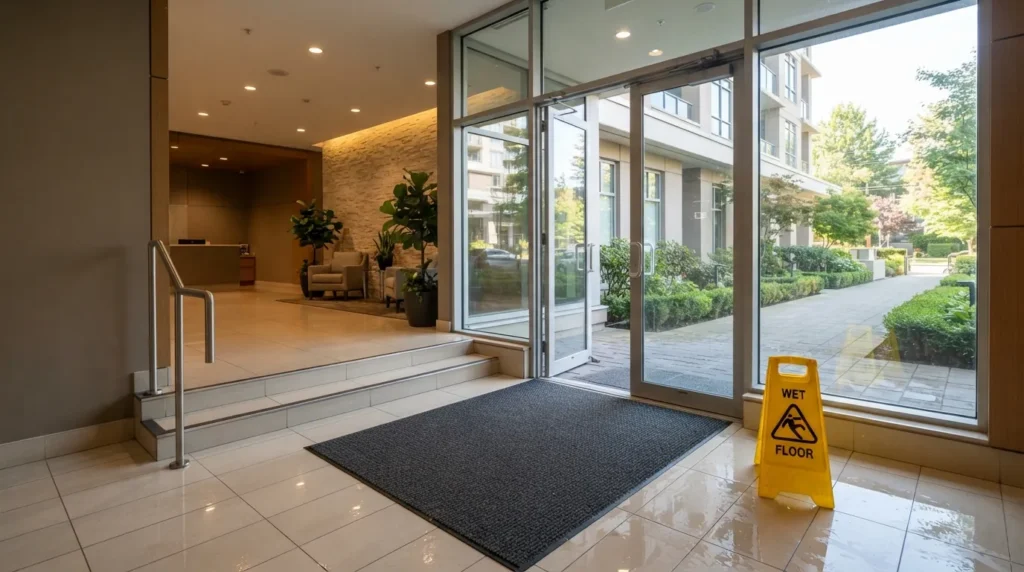
Premises liability basics: what property owners generally owe visitors
How property owners’ responsibilities to visitors usually work in the US, and why the details depend on your state.
Read the guide
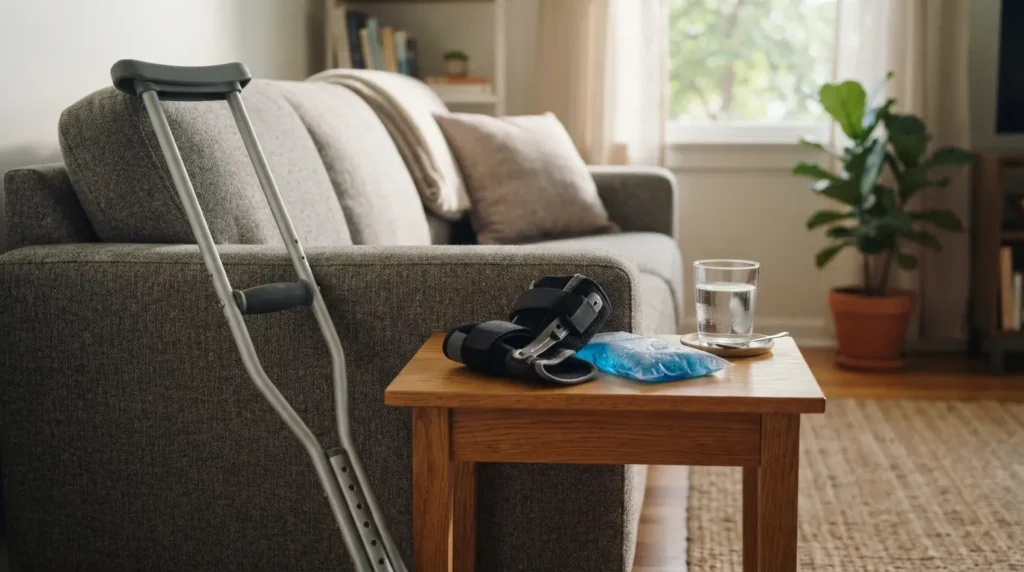
Common slip-and-fall injuries and when to see a doctor
The injuries falls most often cause, warning signs to watch for, and when to get medical care.
Read the guideLatest guides
New and updated guides from across the site.
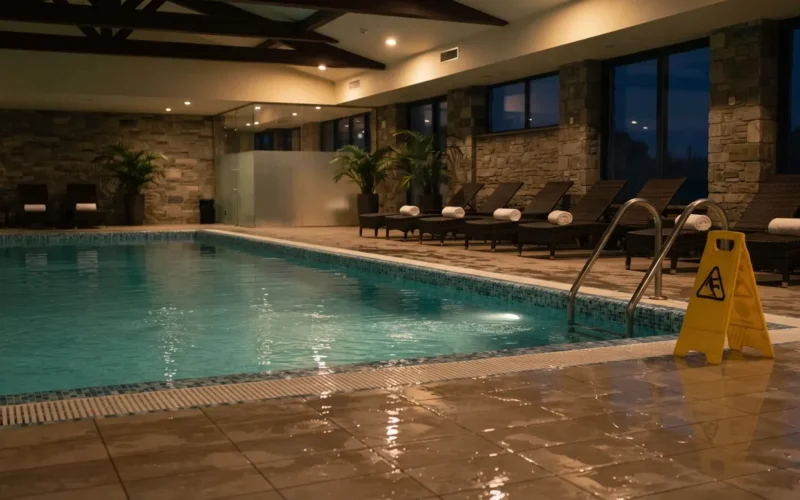
Falls at hotel pools, water parks, and locker rooms

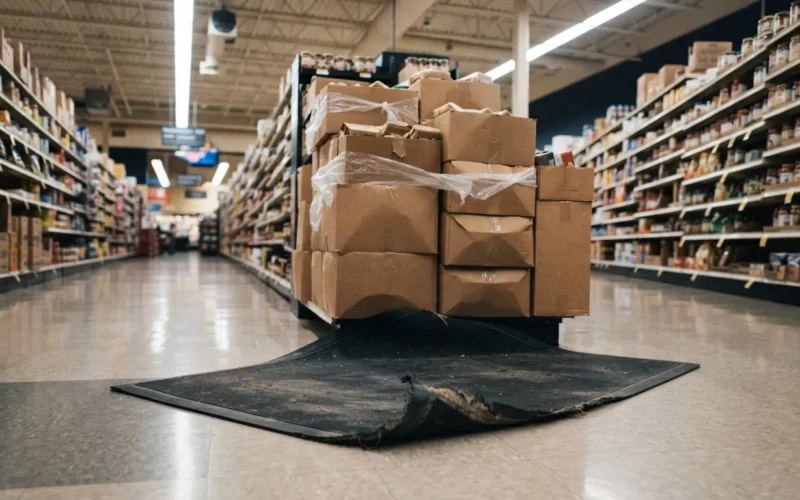
Trip hazards from displays, mats, and merchandise

Safer stairs for older adults: a practical checklist

Housekeeping habits that prevent falls at work

Who maintains the sidewalk? How responsibility usually works

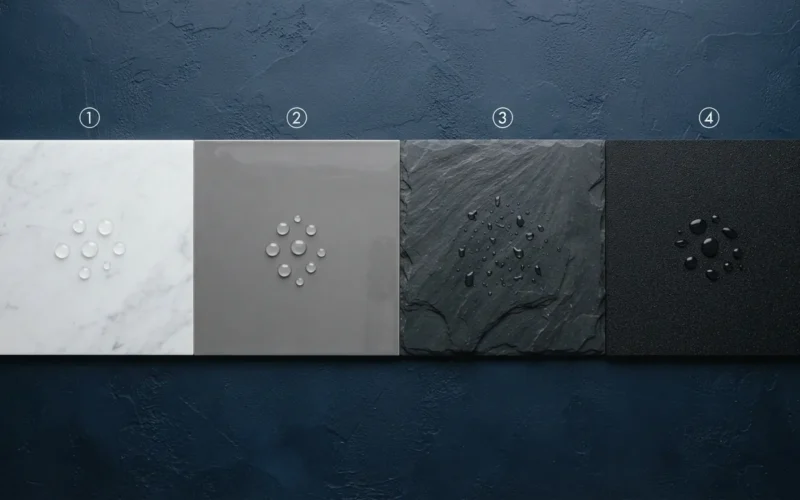
The most slippery flooring types, and safer alternatives
Quick safety checklists
Simple checks you can do in a few minutes. Each one links to a full guide.
- Secure loose rugs with non-slip backing, or remove them.
- Keep cords, shoes, and clutter off walkways and stairs.
- Light stairways, with switches at the top and bottom.
- Add grab bars by the tub, shower, and toilet.
- Use a non-slip mat or strips in the tub and shower.
- Wipe up spills as soon as they happen.
- Clean up spills right away and mark wet areas.
- Keep aisles, walkways, and exits clear.
- Report damaged flooring, curled mats, and burned-out lights.
- Wear slip-resistant shoes where floors get wet or greasy.
- Route cords and hoses away from where people walk.
- Use handrails, and keep one hand free on stairs.
- Slow down at entrances on rainy or snowy days.
- Watch for wet-floor signs, puddles, and curled mat edges.
- Look down at curbs, ramps, and parking-lot edges.
- Use handrails on stairs and escalators.
- Wear shoes with good tread in bad weather.
- Tell staff about any spill or hazard you see.
Had a fall?
If you’re hurt, get medical care first. When you’re ready, our guide explains what to write down, what photos to take, and what to expect next.
How we research
Every guide is written in plain language and checked against US safety agencies and standards. We update guides when official guidance changes, and each one shows when it was last reviewed.
We’re an independent safety resource. We don’t give legal or medical advice, and we’re not a law firm.
Read our editorial standards- OSHAWorkplace walking-surface and fall-prevention rules
- NIOSHResearch on slips, trips, and falls at work
- CDCOlder adult fall prevention, including the STEADI program
- CPSCConsumer product and pool safety
- ADA StandardsAccessible routes, ramps, and stairs